
Balancing Health: Artur Zolkiewicz
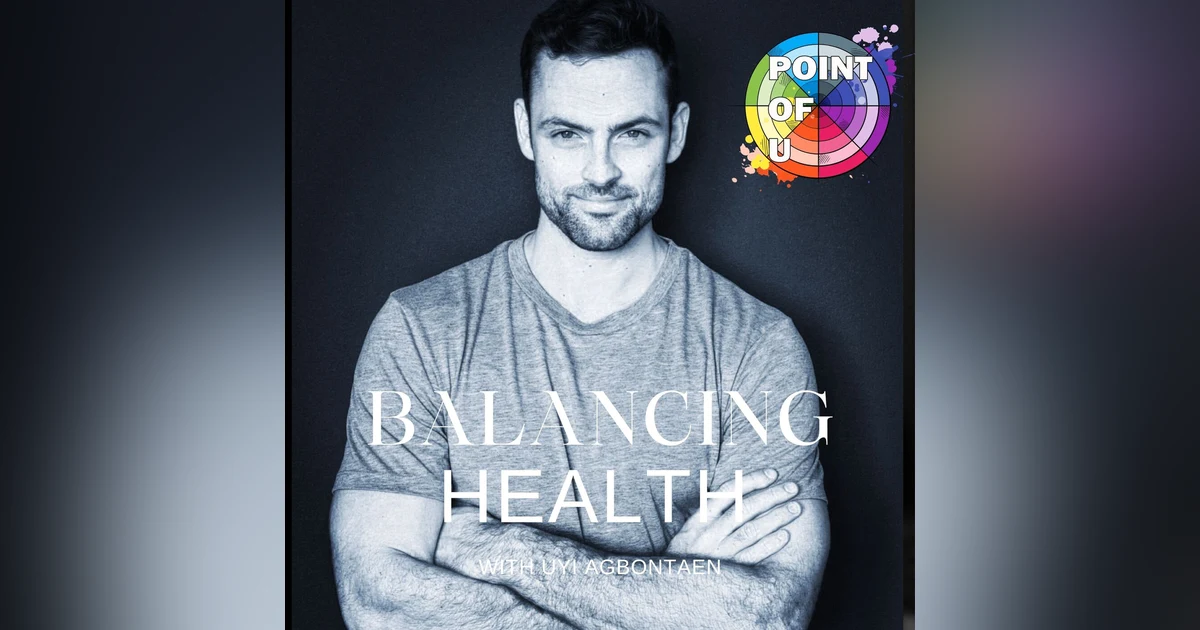
When it comes to happiness and quality of life people often think of the financial wealth, but the truth is that richness comes down to health. Whether that be a healthy body, mindset or relationships, if either are lacking you will quickly come to think your life poor regardless of your bank balance.
In this episode I speak to Health, Wellness and Fitness expert Artur Zolkiewicz, who is a leading figure in the industry having written for numerous publications from Men's Health magazine to Men's Fitness magazine; He was also named by Vanity Fair magazine as the hottest leader to be found in Health & Fitness in 2022.
Artur has an incredibly broad knowledge-base when it comes to all things performance related, we delved into topics such as nutrition, fasting, breathing and recovery.
An amazing guest who's journey is help others and himself to find the best balance in leading an optimal life.
https://www.instagram.com/arturzolkiewicz/
https://arturzolkiewicz.com
https://admin.headliner.ai/balancing-health-mp3
Uyi
Hey, guys. Welcome back to another episode with Point with View. I am your host, Uyi Agbontaen. In today's episode, I'm joined by fitness, wellness, and performance expert, uh, Artur uh, Zolkiewicz. He has contributed to publications from Men's Health to Men's Fitness and has been named by Vanity Fair magazine as the office author has a broad knowledge with all things performance related onto the show. You started, I guess, your career academically. You started as a journalist. You studied journalism.
Artur
Yes. So I studied media communication and journalism. So that was sort with like a very mixed, very general thing, because I started because I didn't know what to do. I initially wanted to study law in Poland, but then when I moved to Austria, I knew I wanted to go somewhere else as well. Then I looked into psychology as well. But my aunt was a psychotherapist. She was like, don't do it. And I was young and naive, so I was like, Okay. I just didn't know what to do. So then I decided to do journalism. I did my master's, actually, about social media.
Uyi
How many years ago was this?
Artur
Probably nine years ago. Eight, nine years ago.
Uyi
Massive change.
Artur
Yeah.
Uyi
Uh, so you were just at, uh, the cost with social media.
Artur
And I did it sort with more for business. I was part with a startup, and I just researched the impact and the chances and risks with social media. For the communications with that startup, we produce low carbohydrate beer, uh, part with all things.
Uyi
Now you're in the health and fitness sector, basically. Yeah. So how did you move from communications to health and fitness? What made you make that transition?
Artur
Since I was eight years old, I started training karate, and I competed a lot. So then I used to go away every weekend. I trained, like, two, three times per week for the first few years. I didn't miss a class. I wasn't very talented, but I was very determined. So I just started winning some competitions for another line. And that created the discipline, I think it was. Back in Poland, we had a karate teacher and 120 kids in the sports hall, and he was the only one. And there was no award set. So it's a different type with approach. There was a different approach to teaching. And then I started also teaching at some point. And then I got into modeling as well, because I used to convene a Carat a lot. And when I moved to Australia, I thought, okay, it would be nice to have some sort with other income as well, because I had to pay for my university. And I got approached by a couple with photographers and they were like, Oh, do you want to try it? And I was like, Why not? So then I realized that apart from the performance side with things that I needed for karate, I also needed a good looking physique, which was sort with up until that point, insignificant to me, square is my son nowadays, because nowadays it's sort with on everyone's mind. But back then, I was more interested in competing and having that performance out with things, rather than the aesthetics on things. So then I got into waiting nutrition as well. That sort with developed more interest in how do I get to a point where I feel comfortable taking my Tshirt off, getting pictures taken off me, which I'll make money with it, and I'll see it as a tool to pay for my travel. And because with that, I traveled a lot. I started getting approached, um, by different models, usually female models, to help them with their physique. Austria was my base. My base because I was still starting. And so in Austria, I started working also in a fitness center, which is a female only fitness center, which is funny because I had members from between 15 to 80 years old. So that taught me a lot about training different people and for different goals. For different goals for health, but also for aesthetics. The nutrition part with the things was that I grew up in Poland, and my parents turned vegetarian when I was two years old and I was 1987. That's unheard of. Yeah.
Uyi
Polish people like their meat.
Artur
Yes. And especially then, today, that's like meat and potatoes.
Uyi
It's famous. Yeah.
Artur
And then eventually, they started eating meat again. My mom earlier, my dad and my sister also earlier. But I didn't want to because it wasn't part with my diet.
Uyi
And so you don't even remember eating me.
Artur
Now, the important lesson for me from this part with my life was that I always had to explain to people why I ate what I ate, or why I didn't eat what I didn't eat. Right. I was bullied at school, but I always was very sort with strong minded. I was like, No, I don't need this. To the point that in the kindergarten, we always used to get breakfast. I think it's probably the first memory, like, really strong memory in my life. They brought us this plate with sandwiches with some meat spread over the thing with a cucumber, uh, on it. I was like, I'm, um, not eating this. This is not what I eat. And they were like, no, you should eat it. Your parents don't know what they're doing.
Uyi
Oh, really?
Artur
Yeah. And I was like I was like, I'm not eating it. From that point on, every single child had to bring their own breakfast. But it also made me realize that people eat for different reasons. Nutrition is just such a personal thing because we come from different cultures. And obviously, places like London, like Vienna, or a lot with other places I lived in, people are more accustomed to it because they know people from different cultures. But in such a monocultural place like.
Uyi
Poland, were you in a small town.
Artur
Or in a very small town, like 15,000 people. We didn't know any with the vegetarians. Then eventually I started eating fish, just because that was my conscious decision when I was in my twenty s. Probably also because with the training, but also because I felt like having it never made the transition to me. But it didn't really hurt me health wise. I'm always having fun, and I would never criticize anyone. It's your body, your business. Unless you ask me for my opinion. I won't give you my opinion because it's insignificant. So, long story short, I always have been quite passionate about has fitness, movement, nutrition, and my parents were also very openminded to different religions. They didn't believe in different gods or anything, but they would be very interested in yoga and meditation. So they did spirituality. Spirituality, exactly right. So that's probably the right way to put it.
Uyi
So what you're saying is you came from this small town in Poland, which was probably quite insular because they hadn't been exposed to the wider world, especially, I guess, in the late 80s, coming out with communist Russia, the Soviet Union, essentially. But your parents were quite open minded from very early on, and that had an impact on you.
Artur
I think I was just more exposed to it than other kids the same age. That's probably the reason why I started doing all that stuff.
Uyi
So today you're a pescetarian.
Artur
I'm pescatarian eat eggs. Eight eggs.
Uyi
Okay. It's interesting because when I've spoken to people about this in conversations on the podcast before so my parents are from Nigeria, and particularly in West Africa, most with Africa anyway, but in West Africa you have a meat based diet, right? So every meal there was meat. Basically, if you serve someone food and there wasn't meat, they'd be offended. Do you know what I mean? Like, what is this? Take it back. But obviously, living in the UK, living in London, as you said, there are many cultures, especially in the UK, which, uh, people may not appreciate if they're not from the UK. There's a big South Asian culture, very big Indian culture, and so there are a lot with vegetarians from India, and then obviously there are people who are quite progressive. And so we had the whole vegetarian trend kind with in the then we've got the vegan trend, and there's a pescetarian trend and stuff, and veganism is a big thing now. But you were almost a little bit defensive about what you said. You said, I don't push my thoughts or my views on people. If they asked me for my opinion, I give them my opinion. I don't know where that came from, but whenever I meet someone who's a vegan, it's only vegans. They seem to be quite pushy about the fact that they're vegan.
Artur
Yeah. Listen, pretty much all my clients, they eat meat. I also say meat is good for you. Now, my reasons why I don't eat meat are different to a lot with other people's reasons. And my reasons are just because I'm produced it. That's probably not a very good reason.
Uyi
That's a very good reason.
Artur
But the thing is that I will tell people to eat meat, but I will tell them to eat very good quality meat and they don't have to eat meat every day. If I tell people meat is great protein, probably the best protein out there, and that's just a fact, you don't have to mix it beans with other stuff to get all the amino acids, etc. So it's nutritionally speaking, it's a great thing. But then again, balance is key, right? So you have to balance it out. Now, the whole vegan movement, it's funny because this is jogging, how it goes, but essentially you'd always know when a vegan or a CrossFit is in the room because they'll tell you 100%.
Uyi
Okay, I was about to say, uh.
Artur
It'S funny because I think people need the identity and nutrition and food is a great thing to identify with just because it expresses your values and you eat or don't eat stuff just because you believe in things. So we all fast in a way. Every single religion would have some sort with fasting in there. Yeah, some people do it, some people don't do it. That's why I always say you like things that you like as a child because they are connected with memories. Um, so nutrition is just so much more. And there's the whole notion with courage in, carries out, et cetera. But you have to also separate between what you want as a nutrition. Right? So do you want fat loss? So that's fairly easy, say, right, then, do you want fat loss? But you want to be satisfied, you want to feel good after you ate something. Do you want to feel good immediately or do you want to feel good the next day? So what you put in your body will have an effect on how you feel, how you perform, whether you do digito or CrossFit, for that matter.
Uyi
I don't do CrossFit, I do CrossFit. I get what you're saying about the CrossFit community. Yeah, it's, uh, quite cottage.
Artur
Every community is cottage. That's the same goes for food, probably. Veganism is a community. I'm not saying it's bad. It's good for a lot with people. It can be done right. But a lot with people do it wrong just because at the trend, there is money to be made on the back with the trend. So then you have a lot with products that are not necessarily good for you. I would never say that one diet is particularly bad or good for you unless you live simply off junk food. Yeah, junk food.
Uyi
When I was a kid, I used to think, oh, it's odd that there are people who are vegetarian. And then as you grow up, you think about things more. And then I realized. But there's many things I don't eat, which some people might eat and some people never eat. I don't eat insects, right? And if someone said, Here's a trancher, eat it. I'd be like, I don't know. It wouldn't be the first thing with me going, I'm going to try it. But it's because I'm not used to eating tarantulas, right? Just like there are people who are not used to eating dogs and there are people who are not used to eating horses. So in the UK, about maybe 1520 years ago, we had this big scandal where we found that in processed food that you'd buy in a supermarket, which is not the healthiest food, like in a package, it's like pre prepped. You just stick it in the oven. They found certain shopping stores would have like, a lasagna, for example, but instead with having beef inside it, it was horse meat. Do you remember it? Right? It was a huge scandal. People were outraged. But in a horse, in my food and it's because in the UK, people don't eat horse meat. Whereas in certain countries they do eat horse meat. And imagine this country going, what the hell is wrong with eating horse meat is not a problem. The same way is like you go to India and if you've never eaten meat before in your life and someone says, here, eat this living thing, you might be like, that's disgusting. Yeah, because who wants to eat something they've never eaten before? And you never associate it with being food. Because if someone said to me, here's a gorilla. Do you want to eat it? I'd be like, no, that doesn't appeal, uh, to me. I don't want to eat it. From the nutrition side, the whole meat versus non meat debate is very interesting. And I'm not just talking about meat non meat. I'm talking about dairy, nondairy and sugar. No sugar. Basically, it's just a huge subject matter.
Artur
First, um, principles thing, right? Things are quite simple. Like I recently said it in an interview with Nine, but in the end, you're just sitting in a pocket full with ice and that's it. There's nothing special about it. But we have our behaviors, reasons and habits, why we do stuff. And I think nutrition is the best example. Um, because again, as I said before, we have beliefs, and these beliefs lead us to behaviors. And then we identify strongly because we need to believe in something. We need to be part with a group, I think. And that's part with the reason I want from my nutrition to serve me best. And then sometimes I don't. Some as I'll have a whole chocolate. It doesn't happen very often, but I.
Uyi
Will become a whole chocolate.
Artur
It's what you want from it and understanding with how food will make you feel. There's a correlation between eating late and feeling stressed the next day. I think it's within 2 hours with bedtime. If you eat. If you have a really big meal, you're likely to feel worse the next day, more stressed, potentially more depressed. We have to realize it will impact the way you feel. People focus a lot on aesthetics, colors in Colorado, et cetera. Uh, it's super important. It is. But I think there's a different part that has to do with the way you feel and the way you perform. That's the important part.
Uyi
A few years ago, I saw a video with like a personal trainer type with person, and he said, you need to change your relationship with food. It is simply fuel. So he said, I only eat what is going to be nutritionally valuable for me to perform. It was a very reductive way with looking at food, but that was his approach to it. I mean, I enjoy food. I love food.
Artur
Me too. And that's the thing. I disagree with the statement, actually. At times I like to look at food functionally, but it still needs to taste good. I disagree because that comes back to what I said before. We associate a lot with emotions with food. There's things like coffee, there's things like wine, there's things like meals that you have with family, with friends for a reason. We said, Let's go out for dinner. Let's meet for coffee. Let's have a glass with wine, let's have a drink. So these things might not necessarily be good for your body sometimes, depending on how you structure it, but they have the other emotional value, which is super important. I recently went to Los Angeles for a conference, and there was this guy from a company based out with New York, and they do a lot with work and research on health. The founders are just top 20 scholars in their respective fields in the entire world. And he said they see has three different components. One is vitality, longevity, and community. And also recently listened to a podcast with Endocrinologist. It was an Andrew Hubert's podcast, and he spoke about spirituality being part with human health. So I agree with the notion to an extent that you eat food functionally, but if you only do that, then you probably live.
Uyi
Yeah, I think with everything, it's balance.
Artur
And you have carnivore diet that you don't need, and there are some people that drive with it.
Uyi
It's really recent. The carnival diet.
Artur
Yeah, there's a few very prominent, like.
Uyi
Georgia Instagram people that Jurgen and Jordan Peterson are the only two people I'm like. Carnival diet. That's an interesting one. The carnival diet and the raw diet too. What is going on here?
Artur
The carnivore diet, even though I'm pescetarian, um, I can't imagine doing it.
Uyi
It's a strange way with thinking because people like to romanticize the past. So when they talk about the diets, or even faster, and there are benefits and there are negatives, they always say, but in the old days, or how our ancestors live and they're hearkening back to something, but they've never experienced themselves. But in their mind, there's this mythology that was the perfect life at that point in time. If you're going 50,000, 100,000 years ago, that human was not the same as a modern sapien. Today, it's a very different human. Yes, we're linked genetically, but even the way our stomach digested food was different.
Artur
But also, if you compare the average, uh, life and health span, then you just come to some weird conclusions. We live much longer than we used to. People should do what they think is right for them. But there's now, luckily, slowly, ways to find out what's actually good for you, genetically speaking. Tests. There's a lot with testing you can do that will tell you what's good for you, what's not good for you. And then also you have to refer to biofeedback, so you have to see how you feel on the given thing. Even if a genetic test would say you metabolize caffeine really well, but if you jitter after coffee or ingesting any form with caffeine, then you probably shouldn't drink it. So there's a lot with information we should think more critically about rather than take things as they come and then just do them because they're meant to be good. And even though it's something very uncomfortable to ask yourself the question, why do I do this? Right? Like, okay, why do I stay up this late? That's probably the least bad ones.
Uyi
It could be one with the most significant ones. We know the impact lack with sleep has on the body in the long term. It seems like it's a trivial thing.
Artur
Yeah, exactly. That's a good point.
Uyi
We all know we should be sleeping more. We all know that, right? But how many with us do it? How many hours with sleep do you get?
Artur
According to my whoop, I usually spend about 7 hours in bed. But the sleep is very efficient, so that's good. And it also depends on my training and on the amount with work that I do. But I think there's also a way with speeding up the recovery, and especially because I do in the evenings. So I want to make sure that I can go, um, to sleep without thinking about it, without sort with being excited about it, because exciting martial arts in general, exciting stuff. But you also want to make sure that you can recover from it. So the breathing would be, for me, that I can just come down quicker. A lot with my clients, when I train them, they would have three to five minutes breathing at the end, unless some people don't want it. But the majority with them, I convinced them to do it, and they really love it. So I started paying more attention to mindfulness practices, meditation. Breathwork is the one that I respond to best self hypnosis. Now, with apps available, you can do so much and you can learn so much without having to pay anything for it.
Uyi
Let's talk about the technology side with things, because the technology now has moved along. You can track yourself with apps. You've got a smartwatch, you can track your breathing, you can track your sleep. What would you recommend people do if they want to find out, am I consuming the right amount? Is what I'm consuming good for me? Are there things that I can do to make my life better?
Artur
So there are three types with testing I would recommend. One is the genetic testing, which would give you a general idea with what your absorption is to say, with vitamin D. But that information is not sufficient because it only shows you what is likely that you need in terms with the micronutrients. Then I would recommend people do food intolerance testing, which you probably might know anyway already from the food you eat and how you feel afterwards. But I'm talking from a standpoint with a person who pays a lot with attention how they feel. Right. So given you have the ability to take the biofeedback into consideration, that might connect the dots and you might realize, oh, and I've been drinking coffee and I feel bad. So now it makes sense.
Uyi
Even though you like coffee, for example.
Artur
Exactly, coffee, exactly right. And then you may want to copy that with some supplements, or you may want to choose some other type with caffeine. So it doesn't mean that you have to get rid with stuff. You may want to change it. And then regular blood testing the issue with those things, they're expensive. There are more and more testing companies that provide this type with services, but they're still very expensive. So we say that Health and Longevity is quiet and exclusive service, especially for comprehensive. A lot with doctors would say you should do it every three to six months. But if you really want to know what's going on in your body, it depends on you and your personality and how comfortable you are knowing. Because a lot with this genetic information will give you information like the likelihood that you're going to, uh, get cancer. So it's information you have to face, and you have to then do something towards it, changing your habits or behaviors, et cetera. So there's a lot with stuff you can do. So, long story short, you can do genetic testing, I think full intolerance testing and blood testing.
Uyi
One thing, just to be the devil's advocate about the intolerance test, there's been studies where you go to a company and you get your intolerance test and they say, okay, these are the groups with foods that don't suit you. And you go to another company and they do exactly the same test, and they go, actually, it's completely different. So how do you find the one where you're like, well, this is accurate?
Artur
I think that this is an issue that a lot with people pointed out about genetic testing, not always very accurate. It's a good point. There are companies that are good and they're known to be good. The bigger the company, the better, just because they also have data from more people. So the AI behind it can actually analyze the data and create profiles with certain people, like men in their thirties. So I think that also is a component with it.
Uyi
You also talked about how in tune you are with your body. In my experience, and I don't know if you can validate this, I find women are very in tune because when we talk about food intolerances, my partner will say, I feel, uh, bloated, I think it was something I ate. Whereas I don't think men make that connection, that, no, I don't feel good. Maybe it's the food.
Artur
I recently listened to a podcast about hormones, 3 Hours podcast, very in depth about the endocrine system. And they made a very valid and good point that women are so much more in tune with their bodies because they go through the menstrual cycle. First with all, they're much more in tune with the way the hormones work. They're aware with the mood they go through. As men, we're low testosterone, we don't know it. We have low sexual libido, which we don't want to admit because we're like, oh God, they're being super masculine. So I think women are generally better at it than men suck.
Uyi
Because I just don't hear with many men saying, oh, I did a food intolerance. I know many women who have done the intolerance test allergy tests.
Artur
I think it will be interesting to see the data. How many men, what's the ratio?
Uyi
Everyone's got a device now to track them. What are your thoughts about the devices? Because people wear smartwatches, they wear fitbit, they have the rings. What's your thoughts on that?
Artur
As a lot with people say, data is only as good as the actions it provokes. You have to be knowledgeable about it and you can be competitive about it. The source with information is good, but again, you have to take it with a pinch with salt. So these devices are not the most detailed and exact one. You always have to assess a few other factors as well. Right? It's a great thing to have just because that gives you an overall trend. And for example, pre Covet, they actually had to do all the Covet research because the data and they have enough members now users can see trends. So recently, for example, they came out with information that people that use CBD preseap, their sleep performance would be average. I think 2% better, not much, but it does have an effect. And if you think about 2%, quite significant for something that you just ingest or put on your body. So there is useful information out with it. And I think the more data we have, the more useful it gets. Then again, you can't rely on it.
Uyi
Yeah, I think the competitive side with it, I think was important because I just think with steps. I think with people who count their steps. And so I have to hit these steps every day. And someone hit 17,000 steps, so I need to hit 18,000 steps.
Artur
I know that there's 10,000 steps. I think it was as a Japanese shoe company that came out the marketing gig.
Uyi
It sounds like it is, yes.
Artur
But it's a good thing. So I think it's like a 200 pound man does 10,000 steps a day. That's an extra 300 and 5400 calories burned for weight loss. That's such a low impact thing. Walking. That is actually a good thing.
Uyi
It is a good thing, especially if you live in a city in the Western world or first world country. You tend to walk less. In London, people actually tend to walk a bit, but we can commute because you can use public transport or you can have a car. And if you live in other cities, you live in Chicago, you definitely have a car. Right? You live in California, you'd 100% have a car. You probably don't walk as much as you should do.
Artur
The conference I recently went to in La. Called Connected Health and Fitness, all those areas start to merge slowly. And it's good because with the fitness community and also the health community. They always disregard one. Maybe the fitness community doesn't disregard the health community just because we sort with look after them. But the health community doctors, medical and scientific, but there's more and more people that are very open minded. And that's a huge benefit because the super smart people with great degrees. The Human app, the podcast, it's crazy what the guy does. He's a Stanford professor neuroscientist, and he puts all that information out for free. There's just so much valuable information. It's like a course with neuroscience. And also human health.
Uyi
He just touched on placebo and placebo. A lot with people don't understand what either with those terms mean.
Artur
Yeah. Placebo effect, generally speaking, is when you believe that something is going to work for you, and it does work for you. Now, let's think about it for a second. How amazing is that? And that shows you the power with the human body and brain. And we can make ourselves healthier just by believing in something. That's, um, pretty powerful, if you ask me. Then the nosebo effect is the exact opposite. So if you believe that something is not going to work for you, it's not going to work for you. Again, super powerful. Because if you take medicine and your mindset tells you that's just not going to work for me, then it's just not going to work for you. Your belief essentially will determine whether you'll be healthy or not.
Uyi
The power with belief is a huge thing. Yeah, I do believe in the power with belief. I'm not an overly spiritual person. But there is something, uh, about belief, whether it's belief in a deity, or whether it's belief in what you're doing, or if it's belief in what treatment you're receiving that has a real effect on your body. There was a story I read a while ago with a Native American who had been educated in Western education. He started to look at his own culture and look at how the shamans would perform these rituals and cure people. And he's like, this isn't medicine, this is just an act. Uh, so he wanted to expose them. So he started to go to the shaman to learn the tricks that they used to use. They would like, do these rituals, have some smoke, and they would bite their tongue and spit blood out and say, this is the evil spirit, and cure people. And once he did that, he started to go out and treat people, just to say, hi, it's only a trick. But when he started to treat people, they got better. And he's like, what, um, the hell is that? It was a placebo effect. Because they believed in the treatment, they got better.
Artur
It can't be argued anymore. It has been there for ages. And I think the science is going to catch up at some point, and I'm sure there's a lot with science about it already. It's an amazing tool to have, and it just really shows you how important mindset is, whether that's professional or sport even. You see people winning competitions just by believing they're actually amazing.
Uyi
I think Costamato said that the saddest thing he ever saw was a more capable fighter being beaten, uh, by another fighter simply because he didn't believe he could win.
Artur
Yeah, that's so true. So there's an app called The Timeshifter Great Thing. And ever since I started using it, and it just works, wonder very strategically approaches the way with fighting jet leg and works. It works amazing. You go to sleep ten, wake up six, and like a new man functioning function. There are so many ways you can utilize light exposure, nutrition, sleep naps, supplements, et cetera, to function better and perform better.
Uyi
I guess the opposite with nutrition is not Ian right. It's fasting. At the moment, it's Ramadan.
Artur
Yeah.
Uyi
Muslims are fasting around, uh, the world. I was having a conversation with someone, you know, fantasy over there, and I said, listen, I don't know one culture that does not fast. Every culture at some point has had some form with fast where it's a strict fast with not eating anything, or it's a fast with just cutting out certain food. Every culture around the world in society has fasted, which would kind with lend itself to the idea that there must be some value in not eating breakfast is literally breaking your fast. What value do you think fasting lends to people's bodies, to recovery?
Artur
First and foremost, there's nothing special about fasting in terms with fat loss, weight loss, et cetera. For me, you learned more about your body, and you realize, okay, I'm not actually that hungry. There's a lot with research now being done, so some sort with caloric restriction should be good for longevity from the science field. Right. A Japanese group with people, they lived the longest, but they also were proven to have the lowest calorie diet. They had a caloric restriction built into their culture, and they lived the longest. So there's a lot with sort with anecdotal evidence that would suggest that we could potentially think that way. A lot with people would say, this is the argument. I want to live longer, so I'm going to fast. Good enough?
Uyi
No, you hit my bus.
Artur
Yeah, I should have had the burger. My father actually used to fast every Friday.
Uyi
Oh, really? But you said your parents weren't overly religious, right?
Artur
They were spiritual, but he used to just do a water fast every Friday because he was like, Oh, I just felt better.
Uyi
Do you find that some people think they're hungry, but they're not actually hungry?
Artur
Yes, 100%. We probably don't know what hunger means because we can go for days without food. And I fasted before for, like, three days just to see how I feel. It's funny because you go through a stage with feeling sort with hungry in the evening. Then you go to sleep, your body reset, and then you feel okay again in the morning. One with my closest friends, he fights for, like, five days a couple with times a year, and the third day he feels low, and then it's fine. We probably don't know that much about because food is so accessible.
Uyi
There's a lot with information now about fasting and intermittent fasting and the benefits with fasting and not fasting and prolonged fasting. I've fasted for two days in a row as well. After the first night, you're like, Oh, this is nothing, actually. I'm not hungry.
Artur
But if you think again, think about timing with nutrition and sleep and waking up and your hormonal circles, et cetera. So you could really go deep when your melatonin starts being produced, when your cortisol spikes, and when you have the largest growth hormone, when you should eat for that, for example. So apparently you shouldn't eat within 2 hours with bedtime because that will also suppress your growth hormone production, which then will have further implications. Right. Then in the morning, for example, what I do at the moment, I would delay the caffeine intake by 90 minutes just because you want to utilize right away for the morning. Cortisol caffeine essentially would block the adenosine receptors, and that blocks your retirements.
Uyi
Right, right.
Artur
I think balance is having a healthy relationship with food, and there's a lot with areas and professions, and I think modeling I mentioned I used to model a lot that sort with creates a very unhealthy relationship with food. There's a lot with aesthetic, uh, such as bodybuilding, for example. So sports that would create unhealthy relationships with food. Then there's a lot with images out there, social media, et cetera. So I think healthy relationship with food, that means that you don't feel bad when you eat anything, but you also know that you should indulge all the time just because it's not going to serve your health. I think that's the thing. If you think about the classic food diary, you would ask people, okay, what did you eat? How did you feel a couple with hours later? And how did you sleep, how did you feel the next day? And then you can draw correlations between the food and the energy, uh, levels, et cetera.
Uyi
We've talked about the nutritional side. Now, we've also talked about the technology that you can utilize to track yourself and to make improvements. You do a lot with stuff to promote your recovery. So, for example, you tea exposure and cold exposure, saunas and ice baths and cryo chambers. What's the thinking behind it?
Artur
So the thinking behind it is, again, you have to do it strategically. So just to give you a couple with examples, one, you wouldn't want to do any sort with prolonged cold exposure. I'm not saying a cold shower, but say an ice bath or a prolonged card therapy session after a hypertrophy session. So training, that would have the goal with building some muscle tissue. It can affect it by up to 10% in the sense that you won't get the result you want.
Uyi
Okay, so have a negative effect.
Artur
It will have a negative effect because essentially you get rid with all the information which you need, which is beneficial. There's a lot with discussion now whether you should ice an injury straight after.
Uyi
Yeah, interesting.
Artur
There's a lot with new stuff. Also, you probably wouldn't want to do cry or late or ice bath late at night because naturally your body will cool down when you're asleep after night's bath, your body will heat up eventually. If you do it late in the evening, you would then heat up. So you're probably much better off doing a sort with heat towards evening. So your body cools off and then you sleep better, right? So that's why people say, oh, I did this on last night and I slept for a wall. That's probably the reason. Likely cold exposure in general, there's a lot with benefits from it. I say twofold. So one, you can have the mental health benefits from it, or you can have the metabolic effect from it. The mental health effect with it is when you actually control the stress response. So, say if you go into an ice bath, you usually have this one. So it's your sympathetic nervous system kicking in, right? So the CNS, which is the flight and fight, so then you would probably focus on the XA. So prolonged XA would usually activate the partsympathetic function with your central nervous system. And then, interestingly, if you want to activate the brown fat, which then makes your metabolism more efficient, then you probably want to shiver. So you want to get into an ice buff, get really cold, get out, shiver, get back in and shiver for a few rounds.
Uyi
Right.
Artur
So that will have the metabolic effect. Right. The ice buffs are probably the hardest from them all. So if you think about a cold shower, not a big deal, although for a lot with people, that's already a challenge. So they should do that. They should start there then. Crowd therapy, it's uncomfortable. People feel very stressed about it because you're going to 95 Celsius negative. Right. So that's quite cold if you think about it. I mean, yeah, I usually go for five minutes and I feel like the last minute is quite cold. But it's not super uncomfortable, it's ice buffs are very uncomfortable.
Uyi
Unless you wim HOF. Yeah, I love it.
Artur
I like that recovery. I usually sleep better afterwards. My digestion is better after a cold exposure thing. As for heat exposure, there's a lot with research about it. Again, everything I speak about here, everyone needs to know for themselves and everyone should probably speak with doctors, et cetera.
Uyi
So there was a little disclaimer available source and is made in Britain. Beware with imitators make calls, heart attacks and death use what caution calls.
Artur
There are cases when it's not good for you. Again, I listen to a podcast. Uh, if there's a low sperm count in men, they probably shouldn't expose themselves to heat too much just because that can negatively impact their fertility. But a check because maybe I shouldn't.
Uyi
It'S another thing to check.
Artur
I want to escape at some point. Other than that, there's so, uh, many positive effects from heat exposure, whether it's infrared sauna or hot finished tone. Cardiovascular has research done in men because a lot with research is done in men. Definitely the more sauna you do, the less like you're getting certain types with cancer and cognitive decline as well. There's a lot with really good positive outcome.
Uyi
What about the heat to cold interchange in treatment?
Artur
The contra therapy? Yeah, I did a course in La four years ago. I think that's called XBT extreme Performance Training. So, uh, what they do breathing for performance, they teach those special forces, for example, the breathing that they teach special forces when they have to control stress. So snipers when they have to shoot someone?
Uyi
Yes.
Artur
I mean, it's crazy. And then they do underwater training, weight training, which is amazing, actually. So you go in the pool, you control your breathing, and you also underwater, you would lift weight, right.
Uyi
To burn oxygen more?
Artur
No, to just to get more efficient at the CO2 tolerance or the conduct and tolerance. And then you do the contrast therapy as well. So you do heat and cold in exchange. And I just don't remember exactly the benefits, but now I do separate. So, for example, at home I have this sonic blanket which goes up to 80 degrees Celsius and I do it sort with once, twice a week. I like that exposure. But then do cold showers every morning. The Dopamine release after cold exposure is crazy amazing. It's like something better than orgasma thing in terms with your brain.
Uyi
You sound like just then.
Speaker C
The satisfying to me as coming is having sex with a woman, uh, and coming. So can you believe how much I am in heaven? I'm like getting the feeling with coming in the gym, I'm getting the feeling with coming at home, I'm getting the feeling with coming backstage. When I pump up, when I bowse out in front with 5000 people, I get the same feeling. So I'm coming day and night. I mean, it's terrific, right?
Artur
That's why people feel so happy afterward. You have to again, you have to experiment and you have to see if that's good for you or not. Because what's good for me is good for you. Also, you have to remember that there is an accumulative stress response with your body. So anything that we do that will stress your body will stress. Your body training is stress and your body doesn't really differentiate between stress. So it's stress and stress, right?
Uyi
Yeah.
Artur
So if it's stressful, I'm going to see the stress and I will just have to process it as stress. So cold exposure, heat exposure, even extreme heat exposure training, all that stress. And you have to take that into consideration as well. So you have to probably create protocols for seven and see how you feel and what your recovery is.
Uyi
Everybody's talking about cold exposure. Everybody's talking about breathing now. And everybody's talking about Wim HOF. So that's all about the breathing side with things. So I read a book called Breathe maybe a year ago and speaking to people about mindfulness, um, they always talk about controlling your breath, right? And how much we don't think about how we breathe. We just think that we breathe naturally but we're not making the best efficiency with our diaphragm, our lungs, et cetera, et cetera. What have you learned about breathing and what do you think people should be paying attention to?
Artur
Okay, I think first and foremost, breathe through knows as much as you can because there's a lot with good process happening in your body. One, you get more accustomed to the combo, the oxygen and oxygen exchange. You become very more efficient at breathing. Some MMA fighters in the UFC that would go through a round breathing through the nose only. First with all, breathing through your nose will encourage your parasympathetic nervous system response so you are less stressed automatically, right? Two, everyone can test themselves as well. So whether you are in kickboxing or you go for a run, just try and brief your noses. So then you'll see what your threshold is, right? And you see how hard it gets at some point. Breathing is the only way we can consciously control our nervous system response. You know how everyone tells you when you stress, I'll just breathe, but no one tells you how. So nobody would be like, oh, I just take two depressed remorse. If you focus prolonged Xha, that would calm you down. There's actually a special type with breathing called the physiological side. So you essentially go twice in through a nose and one out through a mouth and that's proven to calm you down. Breathing is just super valuable in terms with you controlling your stress. That's another amazing thing about breathing because it's been in martial arts, traditional martial arts, it's been in yoga, it's been in so many different cultures. But science is sort with catching, uh, up and again, huberman. They did a whole podcast on breeding. I think that in Stanford there's a lap all. They do the research, breeding and the impact with breeding on health, on brain health, et cetera. There's a lot with stuff happening as.
Uyi
Well in that area.
Artur
It's another very broad topic we could cover. And again, my strength is not in knowing a lot about one topic, but sort with knowing generally about a lot with topics. If I'm more interested, I dive into it.
Uyi
We've been talking a lot with topics. Is there anything that you think is interesting that you've seen in terms with recovery or anything like health wise, that people should be aware with recovery as.
Artur
Hard as you train. And I'm guilty with doing the opposite, but I'm learning to recover as well. Training, just try to think more holistically about it and then recovery wise, find things that work for you. Say cold exposure. Carotherapy is super expensive, so maybe not the ones. Ice buck can be very cheap and you can just buy a little bit with ice or even freeze water. Cheap way with getting ice.
Uyi
Stick it in the freezer, hopefully you.
Artur
Have a freezer and then just put it in a new, uh, bus or just go cold shower and see how it works for you. And I would also encourage everyone to research a little because there's so much information out there. I would probably assume if you listen to this podcast, you're probably more interested in health than a lot with other people, right? So generally, if you listen to your podcast, you're probably just more in self improvement and what people do good and stretch a little more sleep. Sleep. I mean, that's just the one thing.
Uyi
Sleep more the sleep, yeah, just to close out. Because you mentioned how much you listen to podcasts, right? Yeah. So I feel like we have to kind, uh, with touch on what podcast you listen to because people might be like, I want to do research and find the sources with this information, uh, are so what podcasts do you like? To get your information from.
Artur
Okay. So I have two different passions. Ones, as you probably realize by now, it's health and fitness and wellness.
Uyi
I had noticed I was here to talk about a mother name, but hey.
Artur
But also business, because I have a start up. I'm working on opening a wellness, um, facility in central London. So Huberman Lab is the one that really what he does very well. He gives you actionable steps and he gives you strategies. It's very science focused. So he would say, Okay, this is proven anecdotally. This works, but not for everyone. And this is what the research says. And he's a super smart guy. I used to like Tim Ferris a lot. He's done some amazing stuff. He's incredible, amazing guy. Then I like the podcast, uh, called Big Questions by Carl Fasman. Kyle Fasman is a journalist and he wrote for the Esquire magazine. For example, he spent a week with Muhammad Ali. He fought the world champion in, uh, his weight class in the boxing grounds just to write about the experience.
Uyi
How did that go?
Artur
He actually fought to run because he was going to fight one, but then.
Uyi
He decided, I can keep going.
Artur
He's a good guy to go to. If you're interested in asking questions, then I like How I Built This by Guy Ross. And he interviews a lot with business people, sort with startups and founders. Actually, funny enough, I don't listen to Joe Rogan, because how dare you? I know the biggest podcast around there.
Uyi
I don't even listen to him.
Artur
I never got into it. Yeah, so listen to some bits and pieces. I think he's a super smart guy, but I just never listened to it because also, I have so much that I listen to that yeah, you have.
Uyi
A lot to listen to. Jerogen, I used to listen to him a lot, but the more I got into podcasting, the more you listen to other things. And his podcasts are epically long. So you're like how much time I listen to them.
Artur
Right.
Uyi
So I hear what you're saying. I hear what you're saying. Uh, you are clearly a podcast consumer, so it's good to get sometimes what you're listening to, what people are listening to. People who are listening to this might be like, oh, I want to see what this guy is listening to to get that background information as well. Okay, so we've touched on a lot, basically. And there's more that you do, but maybe another time we can yeah, that's fine. It's been great. It's been really good. I really appreciate that you've come down to spend the time. If people want to reach out to you, where can they find you?
Artur
I'm on Instagram. Maybe we can put in show notes because my surname is polished surname, so that would be hard to spell.
Uyi
Okay.
Artur
And also, I have a website by intent to do more with a newsletter. Yes. Probably instagram is the best one because then I communicate with people over through there and I, uh, would probably post the most there because it's just the easiest.
Uyi
How do you say your surname?
Artur
Zizokovich.
Uyi
Zolkiewicz. Was that good?
Artur
Yeah, great pronunciation.
Uyi
Good. Because when I do an intro to someone else, I don't want to mess it up. And listen, I relate because people always mess up my name.
Artur
How do you say your name?
Uyi
My first name is Uyi. Everyone calls me Uyi. Right. And then my surname is At Bondi and everybody says like, Agbontaen or whatever, but I can relate to it. Right. Have you ever heard the episode I did with Mauricio. He's like, we relate. We relate about the main thing. People mess up all the time.
Artur
Yeah.
Uyi
Cool, man. It's been really good. Uh, Artur, thank you for coming. And you've given a lot with information, actually, for people to kind with delve into. So now it's been good.
Artur
I think, again, it's a lot with genuine information, but I think everyone from all the area, someone is interested in wellness and health. I don't like the word wellness either, because it's just wishywashy, but health in general or human performance. You can sort with find a topic and just dive deeper and see what works for you, what doesn't.
Uyi
100%. It was a very broad and I think that's a good starting point right. To be very broad and people can specify. So it's been great. I appreciate it.
Artur
Thank you.
Uyi
Cool, man, it's been good.
Artur
Thanks.
Uyi
Okay, guys, that was Artur Zokovic. See the show notes for more information about my guest. I hope you like the show. It's if you liked this episode, I really recommend you check out episode seven, crossing Fitness with Coach Grant Reynolds. And keep your eyes out for the next episode, coming out in two weeks time with Coach Laura Denton. See you then.